

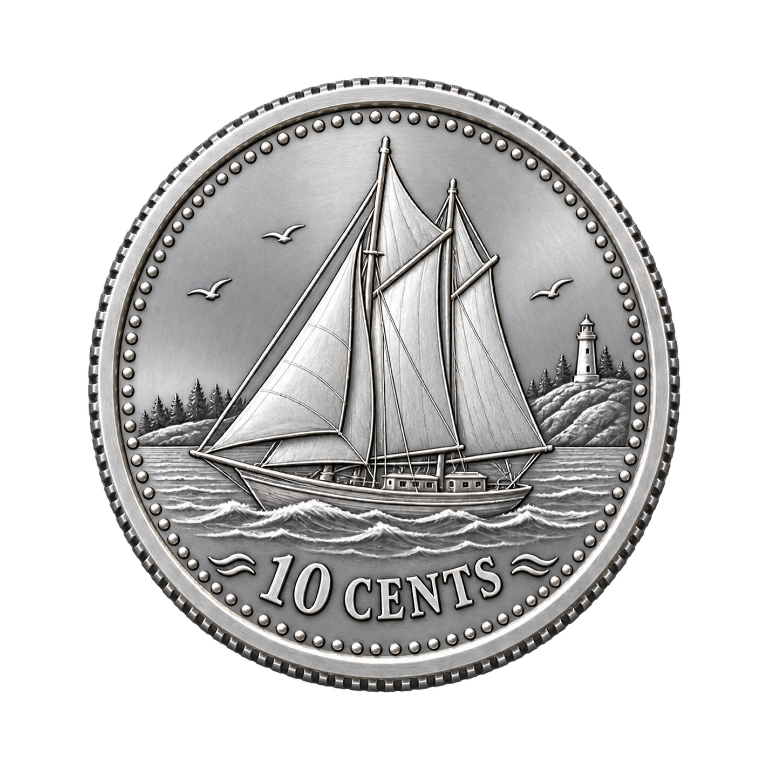
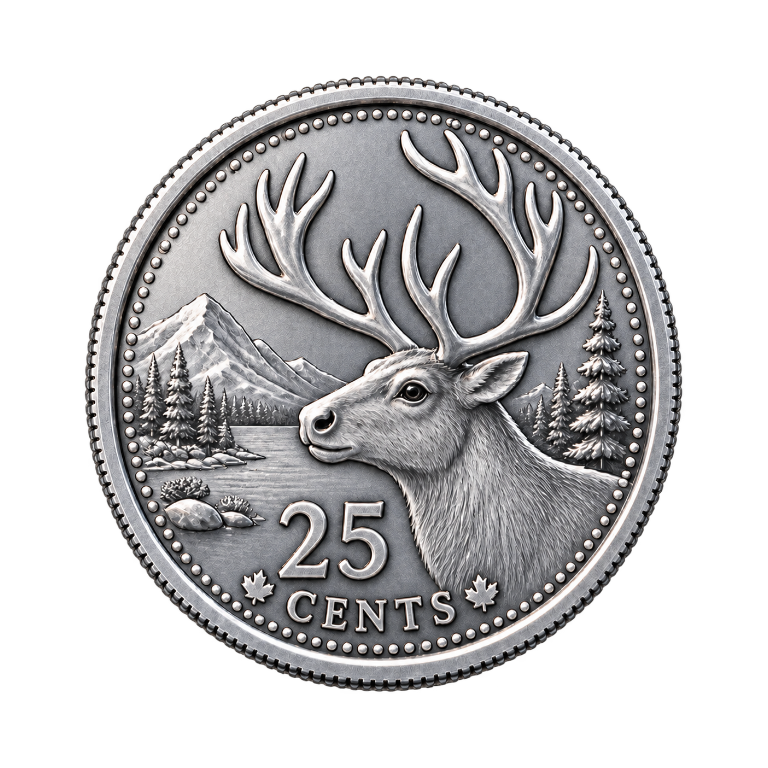
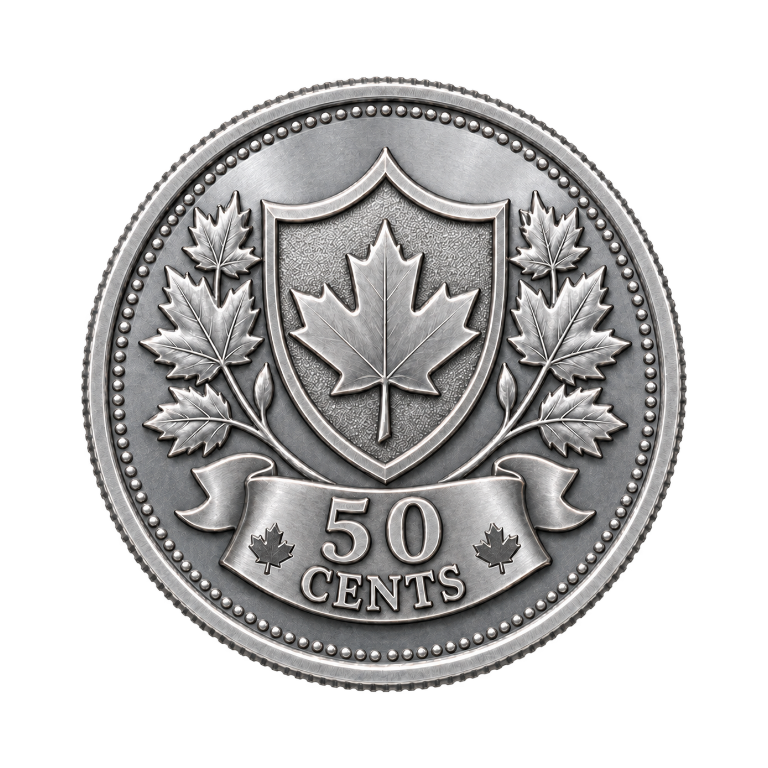
Count coins step by step
The most reliable method is to sort coins by denomination and count from the highest value to the lowest. That reduces the number of jumps and makes the running total easier to check.
- 1Sort the coins.
Place matching CAD coins together.
- 2Start with the highest value.
Begin with the coin that adds the largest amount.
- 3Keep a running total.
Say or write the new total after every coin.
- 4Count again to check.
Use the same order or regroup the coins a second way.
Worked CAD example: 90¢
Suppose the pile has three quarters, one dime, and one nickel. Count in value order:
The final total is 90¢. Circulating Canadian coins start at 5¢; pennies are no longer produced for circulation.
Practice with real, play, or printed coins
Begin with one denomination, then mix two types before using a full regional set. Ask the learner to explain which coin should come first and why.
Use the Canada coin-values chart, then print the Canada counting-coins workbook. Finish with a short Cointastic practice round when an adult wants immediate feedback.